Registered Pharmacy100% OnlineNew here? Use code: WELCOME10 for 10% OFFFree Shipping Over £50Fully Inspected & Regulated ServicesApproved UK-licensed TreatmentsRegistered Pharmacy100% OnlineNew here? Use code: WELCOME10 for 10% OFFFree Shipping Over £50Fully Inspected & Regulated ServicesApproved UK-licensed Treatments
26 Jun 2026

9min read
Contents
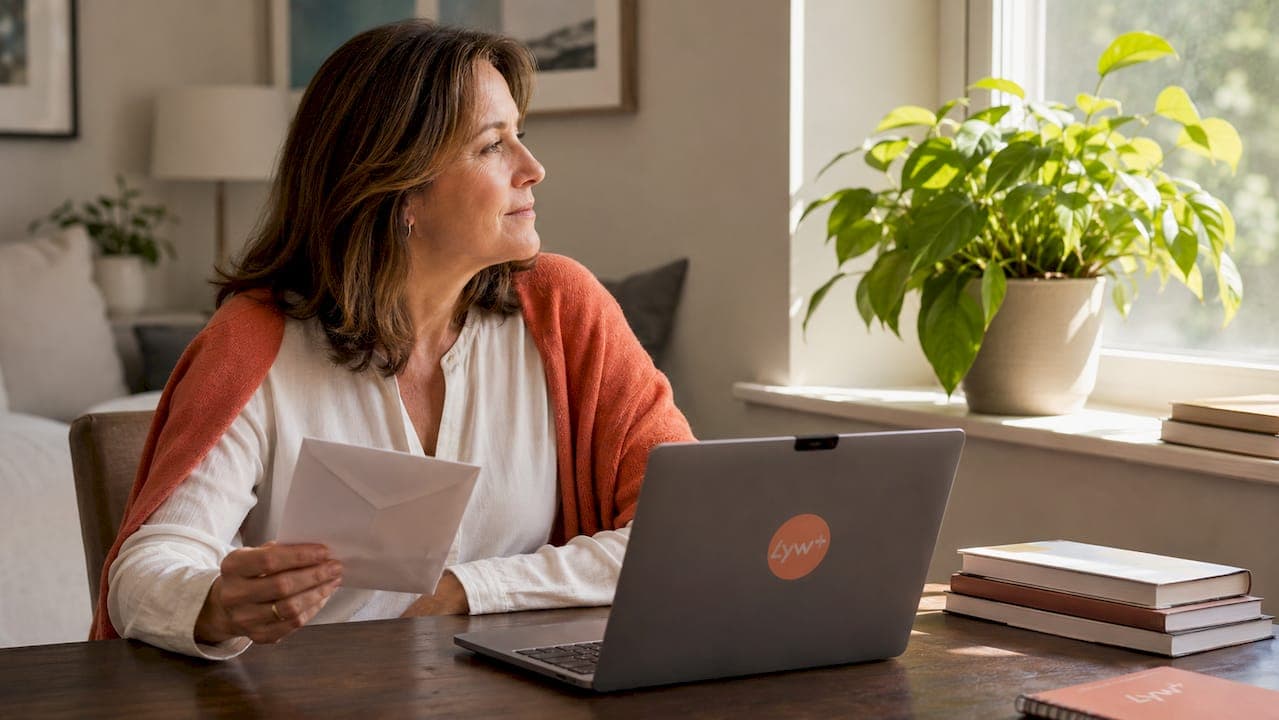
Discreet treatment delivery is the practice of providing medical consultations and medication shipments with maximum privacy, using unbranded packaging, secure digital platforms, and confidential communication at every stage. If you are looking into private care delivery for weight loss, sexual health, or any other sensitive condition, understanding how this process works helps you choose a service that genuinely protects your personal information. The good news is that discreet healthcare solutions have improved significantly, covering everything from your first online consultation through to the parcel arriving at your door.
Discreet treatment delivery is defined as a privacy-centred model of healthcare where every touchpoint, from search and consultation to prescription and delivery, is designed to prevent unauthorised disclosure of your health information. The industry term for this broader approach is confidential care delivery, and it covers far more than plain packaging alone.
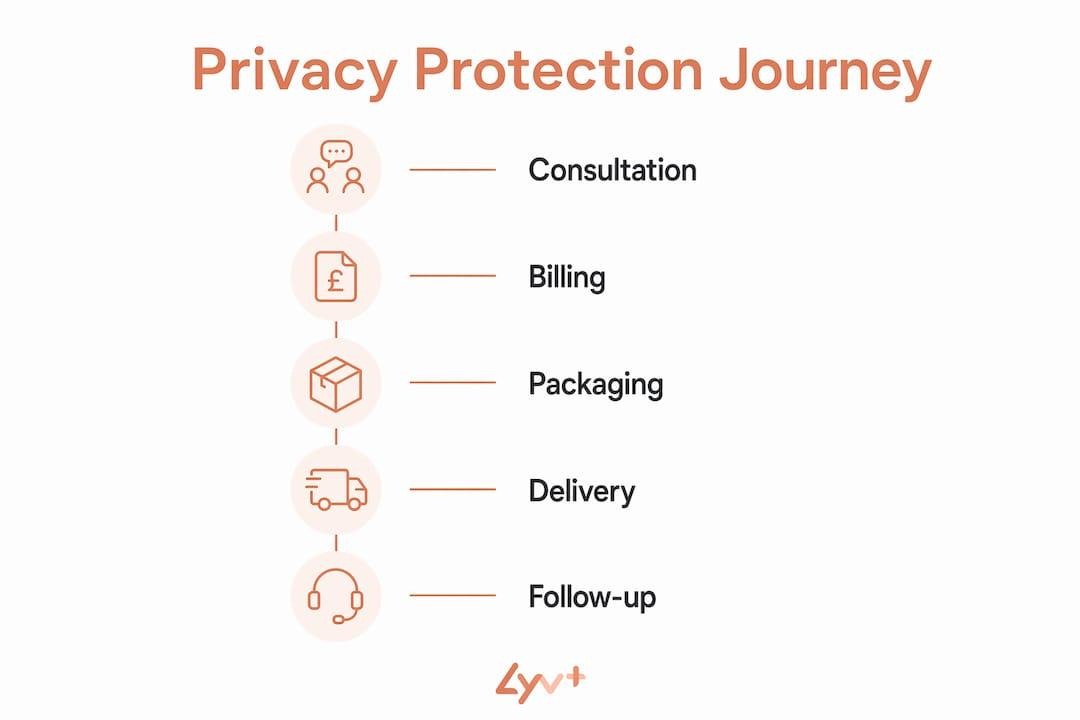
Discreet healthcare requires privacy at every step, including encrypted consultations, unbranded communication, and neutral packaging for medications. That means a single weak link, such as a branded email subject line or a logo on a box, can undo the privacy the rest of the process provides.
The core components of discreet treatment delivery are:
Providers like Lyvpharmacy build all four components into their service by default, rather than treating privacy as an optional add-on.
Confidential care delivery works because privacy is maintained across the full patient journey, not just at the point of shipment. Telehealth platforms provide encrypted video, chat, and call options so you can complete a clinical assessment from home without sitting in a waiting room where you might be recognised.
After your consultation, appointment reminders and results are sent with minimal detail. A well-designed service uses a neutral sender name and avoids including the name of your medication or condition in any message subject line. This matters because email previews on a locked phone screen are visible to anyone nearby.
Billing is another area where private care delivery services protect you. Patient health information is protected under legislation such as HIPAA in the United States and equivalent UK data protection frameworks, preventing insurance disclosures from reaching employers or other third parties. Claims transmit directly to insurers without itemised treatment details accessible to anyone outside the process.
Pro Tip: Ask any provider directly whether their billing descriptor on bank statements is generic or branded. A reputable service will confirm this before you pay.
For patients managing sensitive conditions, intensive outpatient programmes offer flexible scheduling and remote therapy with insurance verification handled confidentially, avoiding employer notification entirely. The same principle applies to weight loss treatments: a clinician-led online service removes the need to explain your appointment to a manager or colleague.
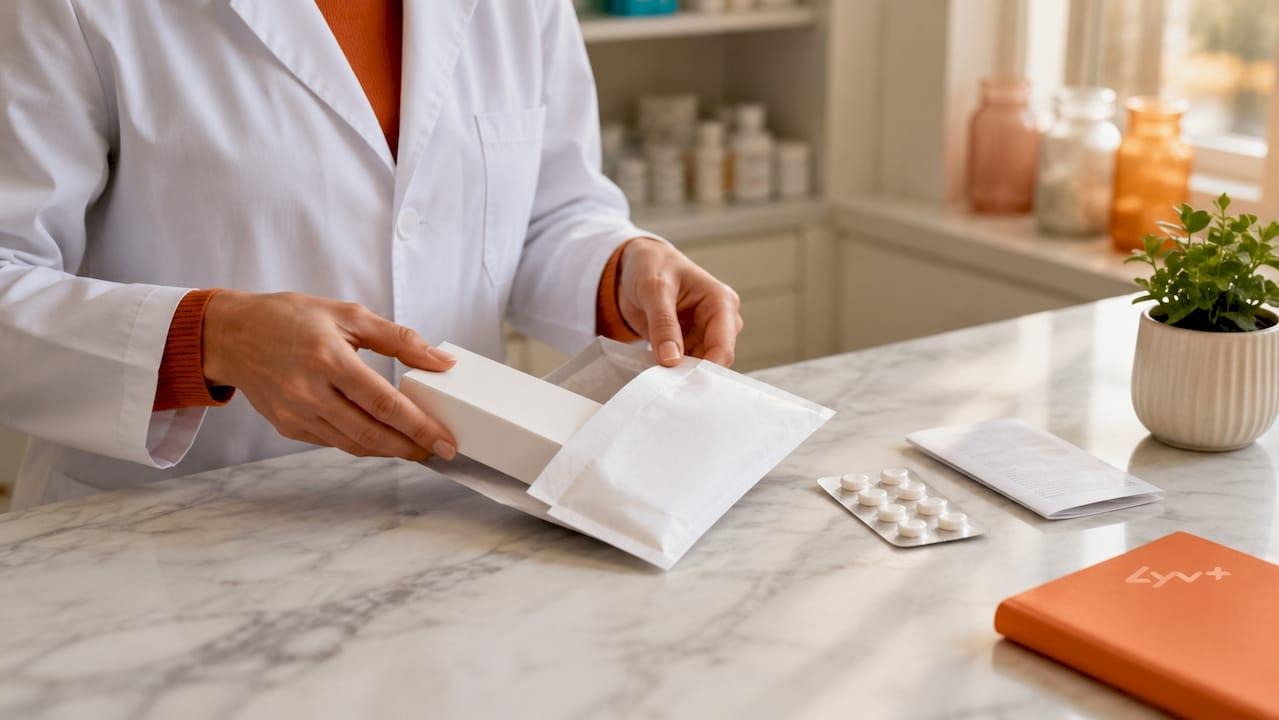
Discreet prescription delivery involves unmarked packaging, limited external labelling, and minimal identifying communication to protect patient privacy. Packages avoid product images or treatment hints, and communication uses generic sender details. Order notifications omit medication names entirely.
Below compares the most common delivery methods and their privacy strengths and limitations.
Delivery method - Privacy strengths - Limitations
Home delivery (plain packaging) - No public exposure; arrives directly to you - Risk in shared households or communal buildings
Local pharmacy collection - Familiar, trusted setting - Staff may recognise you; waiting area is public
Secure parcel locker - No human contact; collected at your convenience - Locker location may be in a public area
Digital prescription only - No physical parcel at all - Requires a local dispensing pharmacy
In shared housing, local pharmacy pickup or delivery lockers are safer options than home delivery. Setting delivery instructions for a hidden drop-off point reduces visibility to neighbours or staff in communal buildings.
Mail-order pharmacies ship medications in plain, unbranded packaging with neutral return addresses to protect patient confidentiality. Patients can also choose digital-only lab results and appointment reminders to avoid any physical mail arriving at a shared address.
Pro Tip:If you live in a flat with a shared entrance, request a specific safe-place delivery instruction when you place your order. Most regulated online pharmacies accommodate this without any additional charge.
Secure patient delivery methods are only one part of the picture. Confidential treatment options extend into scheduling, payment, and the setting in which care is provided.
The combination of these options means you can manage a sensitive health condition from assessment through to ongoing prescription without it ever becoming visible in your professional or personal life.
Digital channels carry privacy risks that patients often overlook. App notifications, shared email previews, and household device exposures can inadvertently reveal treatment details to anyone who glances at your screen. Experts recommend controlling push alerts, using secure portals, and thinking carefully about medication storage to reduce these risks.
The most common digital privacy failures are straightforward to prevent:
Pro Tip: Most secure patient portals, including those used by regulated UK online pharmacies, allow you to disable email notifications entirely and view results only when you log in. This is the most private option if you share a household.
Lyvpharmacy uses a secure patient portal that keeps all consultation records, prescriptions, and results within an encrypted environment. No sensitive details are included in external email communications.
Discreet treatment delivery protects patient privacy across every stage, from encrypted consultation to plain-packaged delivery, and requires active choices in both provider selection and personal digital habits.
Point -Details
Privacy spans the full journey - Discreet care covers consultation, billing, packaging, and digital communication, not just the parcel.
Plain packaging is standard - Regulated providers use unmarked boxes with generic sender details and no medication names on labels.
Shared homes need alternatives - Secure lockers or pharmacy collection are more private than home delivery in communal buildings.
Digital habits matter - Disabling lock-screen notifications and using a personal email address prevents accidental disclosure.
Legal protections exist - UK data protection law and equivalent frameworks prevent providers from sharing your health records without consent.
The most common concern I hear from patients is not about the packaging. It is about the consultation itself. People worry that booking an online appointment will leave a visible trail, whether on a bank statement, a GP record, or a shared email inbox. That anxiety is completely understandable, and it is also largely avoidable with the right provider.
What I have observed is that the services doing this well treat privacy as a design principle, not a feature they mention in the small print. The packaging is plain because it has to be. The billing descriptor is generic because patients asked for it. The portal does not send branded emails because someone thought carefully about what a notification looks like on a shared phone.
Where I see patients run into difficulty is when they choose a provider based on price alone and then discover the communication is not as discreet as they assumed. Reading the privacy policy before you register is not paranoia. It is the single most useful thing you can do before sharing any health information online.
Balancing convenience and confidentiality is genuinely possible. The services that manage it well are the ones that have built privacy into every layer of their operation, not bolted it on afterwards. You deserve both the treatment and the peace of mind that comes with knowing your information is safe.
— Lyv
Lyvpharmacy is built around the principle that accessing weight loss treatment should be private, medically sound, and free from unnecessary friction.
Every consultation takes place through a secure, encrypted platform. Prescriptions for treatments including Wegovy and Mounjaro are dispatched in plain, unbranded packaging with no external indication of the contents. Billing is handled discreetly, and your records remain within a protected patient portal. If you want to understand exactly how online healthcare safety works before you begin, Lyvpharmacy publishes clear guidance on its clinical standards. When you are ready to see which weight loss treatments are available with discreet delivery, the full range is listed on the Lyvpharmacy treatments page.
Recommended