Registered Pharmacy100% OnlineNew here? Use code: WELCOME10 for 10% OFFFree Shipping Over £50Fully Inspected & Regulated ServicesApproved UK-licensed TreatmentsRegistered Pharmacy100% OnlineNew here? Use code: WELCOME10 for 10% OFFFree Shipping Over £50Fully Inspected & Regulated ServicesApproved UK-licensed Treatments
29 Sep 2026

7min read
Contents

Managing your weight is one of the most effective things you can do for your long-term health. Around 63% of UK adults are living with overweight or obesity, raising risk of serious conditions including type 2 diabetes, heart disease, stroke, and certain cancers. The good news is that even modest changes make a real difference.
Key reasons why weight management matters:
Weight management is not about chasing a number on the scales. It is about reducing your risk, feeling better day to day, and protecting your future health.
Weight gain during adulthood is common and tends to happen gradually. Reduced physical activity and metabolic changes both contribute as you get older, often without any dramatic shift in eating habits.
Why this gradual creep matters:
The earlier you address gradual weight gain, the easier it is to manage. Waiting until weight becomes a significant health issue makes the process harder, both physically and psychologically.

Weight is ultimately governed by the balance between calories consumed and calories expended. Tip that balance consistently in either direction and your weight shifts over time.
Core factors that influence this balance:
No single food or exercise routine is a magic fix. What works is building habits you can actually maintain, not a six-week plan you abandon in week three.

Sustainable weight management is less about willpower and more about building the right environment and habits around you. Weight management involves complex biological, behavioural, and environmental factors, and recognising that takes the pressure off.
Strategies that genuinely help:
Pro Tip: Once you have lost weight, maintenance requires a different mindset entirely. Many people stay in "dieting mode" and burn out. Shifting your focus to sustaining healthy habits, rather than continuing to restrict, is what protects your progress long-term. You can read more about sustainable weight management approaches at Lyvpharmacy.
The scale of the challenge in the UK is clear. Living with obesity can reduce life expectancy by 2–10 years, and the NHS and NICE both treat weight management as a clinical priority, not a lifestyle preference.
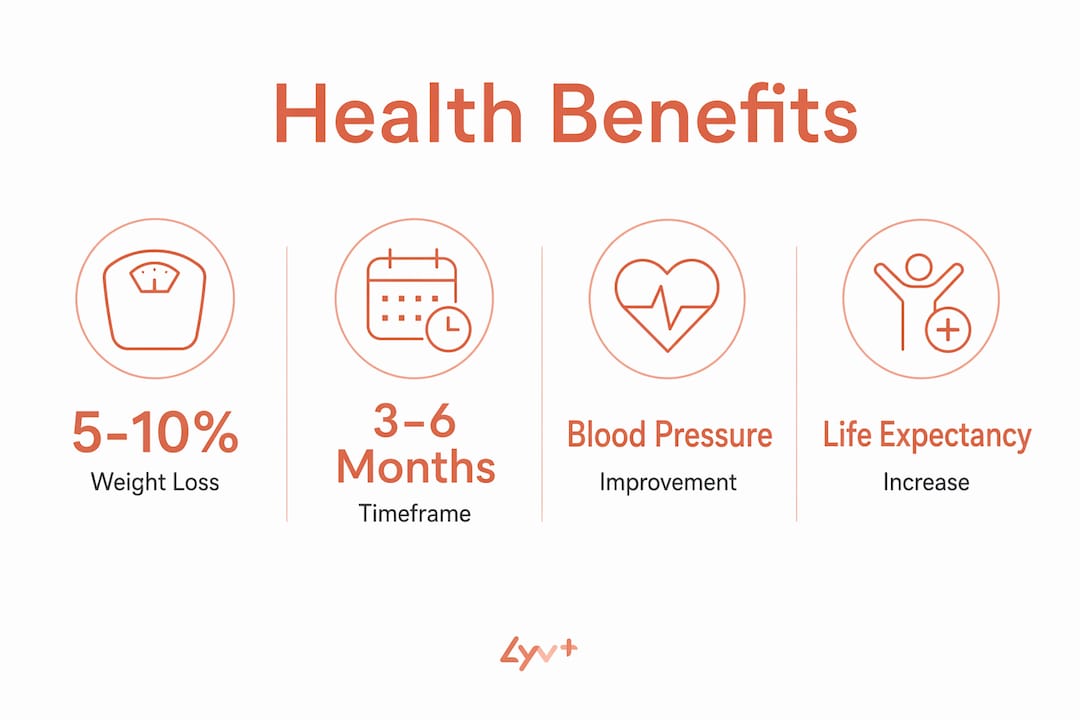
Health benefit - What the evidence shows
Blood pressure
Improves with 5–10% body weight loss over 3–6 months
Blood glucose control
Reduces type 2 diabetes risk with modest weight loss
Blood lipid profile
Improves through better diet quality, even without major weight loss
Mental health
Reduced depression and fatigue linked to healthier weight
Joint health
Lower body weight reduces load on knees and hips
Clinical guidance from NICE also makes an important point: the goal of weight management is to reduce the severity of related conditions, not simply to change a number on the scales. That framing matters. It means that even partial progress carries real clinical value.
Beyond disease prevention, maintaining a healthy weight improves how you feel every day. Energy levels rise, sleep quality often improves, and physical movement becomes easier. These are not small things.
Improved blood lipid profiles, better insulin sensitivity, and reduced inflammation are all associated with weight management, and many of these benefits begin to appear before you reach a target weight. The body responds to positive change quickly. That is worth knowing when progress feels slow.
Type 2 diabetes and heart disease are two of the most preventable chronic conditions in the UK, and excess body weight is a primary risk factor for both. Losing even a modest amount of weight reduces the strain on your cardiovascular system and improves how your body processes glucose.
For people already living with conditions like hypertension or pre-diabetes, clinician-guided weight loss can reduce medication dependence and slow disease progression. The relationship between weight and chronic disease is not inevitable. It is modifiable, and that is the point.
Metabolism refers to the rate at which your body converts food into energy. It is influenced by age, muscle mass, genetics, and hormones including ghrelin and leptin, which regulate hunger and satiety. When you lose weight rapidly, your metabolism can slow as your body adapts, making further loss harder.
This is why gradual, consistent weight loss at 0.5–1kg per week is recommended. It gives your metabolism time to adjust without triggering the compensatory responses that drive weight regain. Understanding this biology helps you move away from the all-or-nothing mindset that derails so many people.
Weight management is a clinical priority for UK adults because even modest, sustained weight loss significantly reduces the risk of type 2 diabetes, heart disease, and other chronic conditions.
Point - Details
Even small losses help
Losing 5–10% of body weight over 3–6 months improves blood pressure and blood glucose control.
UK prevalence is high
Around 63% of UK adults live with overweight or obesity, raising risk of multiple serious conditions.
Gradual loss is safer
Losing 0.5–1kg per week avoids weight cycling and supports lasting results.
Diet and activity both matter
Improving diet quality delivers health benefits independently of weight loss alone.
Maintenance needs a mindset shift
Moving from "dieting" to sustaining healthy habits is what protects long-term progress.
If you are ready to take weight management seriously with real medical support, Lyvpharmacy offers clinician-led access to prescription weight loss treatments including GLP-1 medications such as Wegovy and Mounjaro. Fast assessment, regulated prescriptions, and discreet home delivery, all built around your health outcomes.



.jpg)