Registered Pharmacy100% OnlineNew here? Use code: WELCOME10 for 10% OFFFree Shipping Over £50Fully Inspected & Regulated ServicesApproved UK-licensed TreatmentsRegistered Pharmacy100% OnlineNew here? Use code: WELCOME10 for 10% OFFFree Shipping Over £50Fully Inspected & Regulated ServicesApproved UK-licensed Treatments
28 Sep 2026

10min read
Contents

Speed matters in weight loss because early, clinically supervised loss drives measurable metabolic improvements and keeps you engaged long enough to see lasting results. This is not about crash dieting or cutting corners. It is about reaching meaningful milestones, like losing a clinically significant portion of your body weight quickly enough that your body and your mindset both respond. NICE and the MHRA recognise these early targets as clinically significant, and the evidence backs them up.
The three reasons early speed matters most:
The 5–10% body weight target is a benchmark used by NHS clinicians. Achieving early weight loss faster, under proper supervision, predicts better outcomes at 12 months.
Speed in weight loss is not about losing as much as possible as fast as possible. Clinically, it refers to reaching defined early milestones within a structured timeframe. The most widely used benchmark is losing 2kg within the first six weeks. DiRECT trial analysis found that patients who failed to reach this marker rarely achieved diabetes remission at 12 months. The Diogenes study went further, identifying ≥2.6kg at week one as a predictor of ≥10kg loss by week eight under a controlled low-calorie diet.

2kg loss - By week 6
Associated with higher probability of diabetes remission in intensive programmes
≥2.6kg loss - By week 1
Predicts ≥10kg total loss by week 8 in low-calorie diet studies
5% body weight - Weeks 8–12
Associated with meaningful reductions in blood pressure and blood glucose
10% body weight - Weeks 12–20
Linked to significant reductions in T2D risk, sleep apnoea, and dyslipidaemia
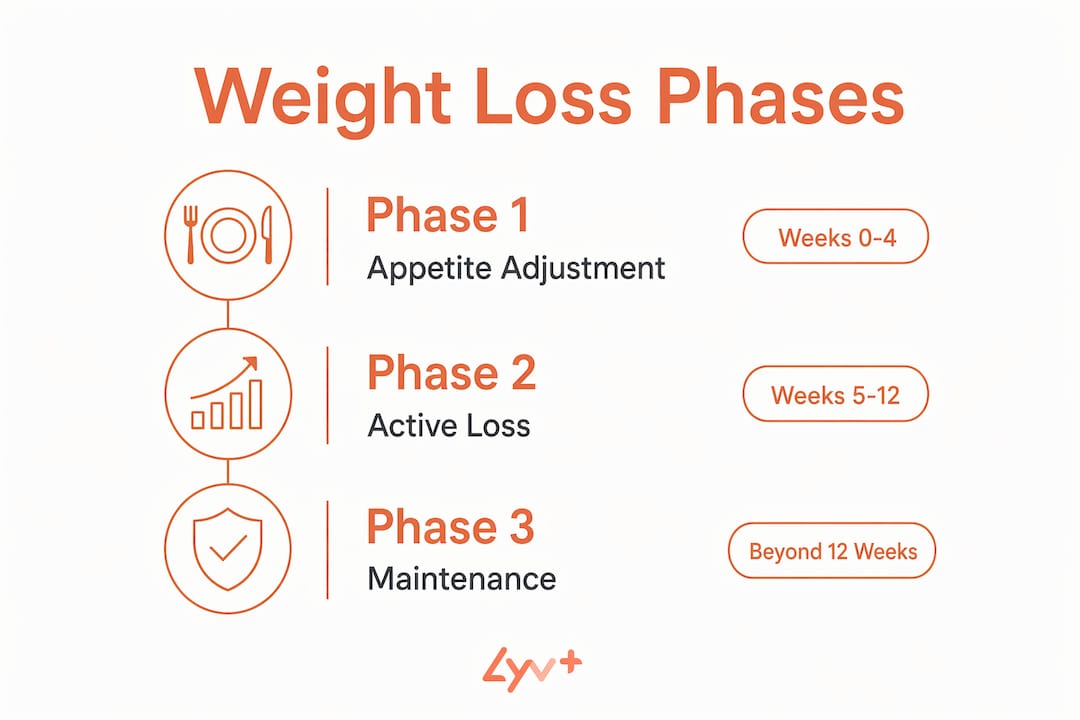
A typical fast-start programme moves through three phases: weeks 0–4 focus on appetite adjustment and establishing the calorie deficit; weeks 4–8 are where most people hit their first visible milestone; weeks 8–16 consolidate metabolic improvements and introduce longer-term behaviour change.
Faster initial loss produces faster clinical improvements, and that matters beyond the number on the scales. A study using UK primary care data found that 13% weight loss was associated with significant reductions in risk for type 2 diabetes, hypertension, dyslipidaemia, and chronic kidney disease. A separate short-term inpatient study found that after just two weeks of structured treatment, visceral fat area notably decreased alongside improvements in blood pressure, fasting glucose, and triglycerides.
The DiRECT trial reinforced this: early weight loss at 4–8 weeks predicted diabetes remission at 12 months. The DROPLET trial showed that a total diet replacement programme produced greater reductions in diastolic blood pressure at three years compared with standard care. These are not marginal gains. They are the kind of changes that reduce medication burden and long-term disease risk.
A 2026 abstract presented at ECO found that a rapid weight loss group maintained approximately 4% more bodyweight loss at one year than a gradual loss group, when both received intensive follow-up.
Yes, and the data is consistent. Early weight loss is one of the strongest predictors of treatment retention in intensive programmes. People who see results in the first few weeks are more likely to attend follow-up appointments, engage with behavioural support, and maintain the habits that sustain loss.
The behavioural benefits of early progress include:
The DiRECT analysis also showed that early non-responders were more likely to withdraw from programmes entirely, which in turn reduced their chance of eventual remission. This is why rigid early stopping rules are counterproductive. The goal is to use early milestones as a prompt for intensified support, not as a reason to discharge someone.
Pro Tip: If you are not hitting early targets, that is a signal to talk to your clinician about adjusting the approach, not a reason to give up. Early non-response often reflects a need for more support, not a fixed biological ceiling.
Unsupervised rapid weight loss carries real risks. Without proper nutritional support, you can lose lean muscle and bone alongside fat, develop nutritional deficiencies, or increase your risk of gallstones. Dehydration is common when calorie restriction is severe and unmonitored.
Clinical supervision changes this picture significantly. Lean-mass loss scales with total weight lost, not necessarily with the speed of loss, when programmes include adequate protein and resistance exercise. The MHRA and BHF both emphasise that GLP-1 treatments must be used alongside diet, activity, and clinical monitoring. Supervision means someone is watching for problems before they become serious. You can read more about what that looks like in practice in Lyvpharmacy's guide to clinician-guided weight loss.
Stop and seek urgent medical attention if you experience any of the following during a rapid weight loss programme: severe or persistent abdominal pain; fainting or dizziness on standing; a rapid or irregular heartbeat; persistent vomiting that prevents you from keeping fluids down; signs of severe dehydration such as dark urine or confusion. These are red flags that require prompt clinical assessment, not a wait-and-see approach.
GLP-1 treatments work by mimicking a natural hormone released after eating, which reduces appetite and calorie intake. Mounjaro also acts on a second hormone involved in blood sugar control. The result is a faster initial weight loss than most dietary programmes alone can achieve, particularly in the first 8–12 weeks.
UK online prescribing standards now require two-way clinician contact and biometric verification before GLP-1 treatments are issued. This is not bureaucracy. It is the infrastructure that makes faster loss safe. Without it, the risk of misuse and unmonitored side effects rises sharply. A 2025 study noted average monthly regain of 0.4kg in those stopping GLP-1 medication, compared with 0.1kg in behavioural programmes, which underlines why ongoing support matters alongside the medication itself.
Lyvpharmacy combines clinician-led assessment, rapid prescription approval, and discreet next-day delivery for both Wegovy and Mounjaro, with two-way clinical contact built into the process.
Most adults with a BMI of 30 or above, or 27 and above with a weight-related health condition such as type 2 diabetes or hypertension, are likely to meet standard prescribing criteria for GLP-1 treatments in the UK.
Likely suitable:
Requires extra caution or specialist input:
If any of these apply to you, a fast-start medical programme is not automatically ruled out, but it does require a more detailed clinical conversation before proceeding.
A regulated online service should be transparent about every step. Here is what to look for and ask at first contact:
Clinically supervised early weight loss improves both metabolic outcomes and treatment retention, making speed a genuine clinical advantage when delivered within a structured, monitored programme.
Point - Details
Early milestones predict success
Early weight loss of 2kg by week 6 is linked to diabetes remission and better 12-month outcomes in clinical trials.
Speed needs supervision
Rapid loss without clinical oversight raises risks of lean-mass loss, nutritional deficits, and gallstones.
GLP-1s accelerate early loss
Wegovy and Mounjaro reduce appetite from the first weeks, producing faster starts than most dietary programmes alone.
Behavioural benefits are real
Early visible progress is one of the strongest predictors of staying in a programme and forming lasting habits.
Lyvpharmacy offers a regulated fast-start pathway
Clinician-led assessment, biometric verification, and next-day delivery for Wegovy and Mounjaro in the UK.
The conversation about speed in weight loss has been muddied for years by the diet industry's habit of promising fast results through unsustainable restriction. What the clinical evidence actually shows is more nuanced and, frankly, more encouraging. Early loss matters, but only when it is happening within a structure that protects the patient.
What gets overlooked is that the goal of a fast start is not the number itself. It is the cascade of benefits that follows: improved blood glucose, lower blood pressure, better sleep, and a patient who believes the programme is working. That last point is not soft science. It is one of the most reliable predictors of long-term success we have. Lyvpharmacy's approach, combining clinician oversight with regulated GLP-1 treatments and ongoing monitoring, reflects precisely this evidence-based thinking.
If you are ready to move beyond general advice and want a prescription pathway that is built around early results and clinical safety, Lyvpharmacy offers exactly that.

The process is straightforward: complete an online clinical assessment, receive a clinician review, and if approved, have your treatment delivered to your door, often next day. Every step includes two-way clinical contact and biometric verification, so you are not just filling in a form. You are being assessed by a real clinician who can answer your questions and adjust your plan. Treatments include Wegovy and Mounjaro, both MHRA-authorised GLP-1 options with strong trial evidence behind them. Pricing is transparent, with no mandatory subscription. Start your assessment and view available weight loss treatments at Lyvpharmacy today.




.jpg)