Registered Pharmacy100% OnlineNew here? Use code: WELCOME10 for 10% OFFFree Shipping Over £50Fully Inspected & Regulated ServicesApproved UK-licensed TreatmentsRegistered Pharmacy100% OnlineNew here? Use code: WELCOME10 for 10% OFFFree Shipping Over £50Fully Inspected & Regulated ServicesApproved UK-licensed Treatments
01 May 2026

7min read
Contents
Mounjaro (tirzepatide) gives slightly higher average weight loss than Wegovy (semaglutide) in head-to-head trial data - roughly 20.9% vs 14.9% at full dose.
Side effect profiles are similar in kind; tolerability is best protected by titrating slowly and eating smaller meals early on.
12-month total cost is broadly comparable between the two; choose based on tolerability and medical history, not headline price.
Both medications are prescription-only in the UK and must be supplied by a registered pharmacy after a clinical consultation.
Stopping the medication usually leads to weight regain — plan as a long-term treatment, not a short-term diet.
This article is general information for UK adults and is not a substitute for personalised medical advice. Prescription-only medicines mentioned are supplied only after a clinician-led consultation through a regulated pharmacy. If you have urgent symptoms, severe abdominal pain, allergic symptoms, repeated vomiting, dehydration or concerns about any medicine, speak to your GP, pharmacist, NHS 111 or emergency services as appropriate.
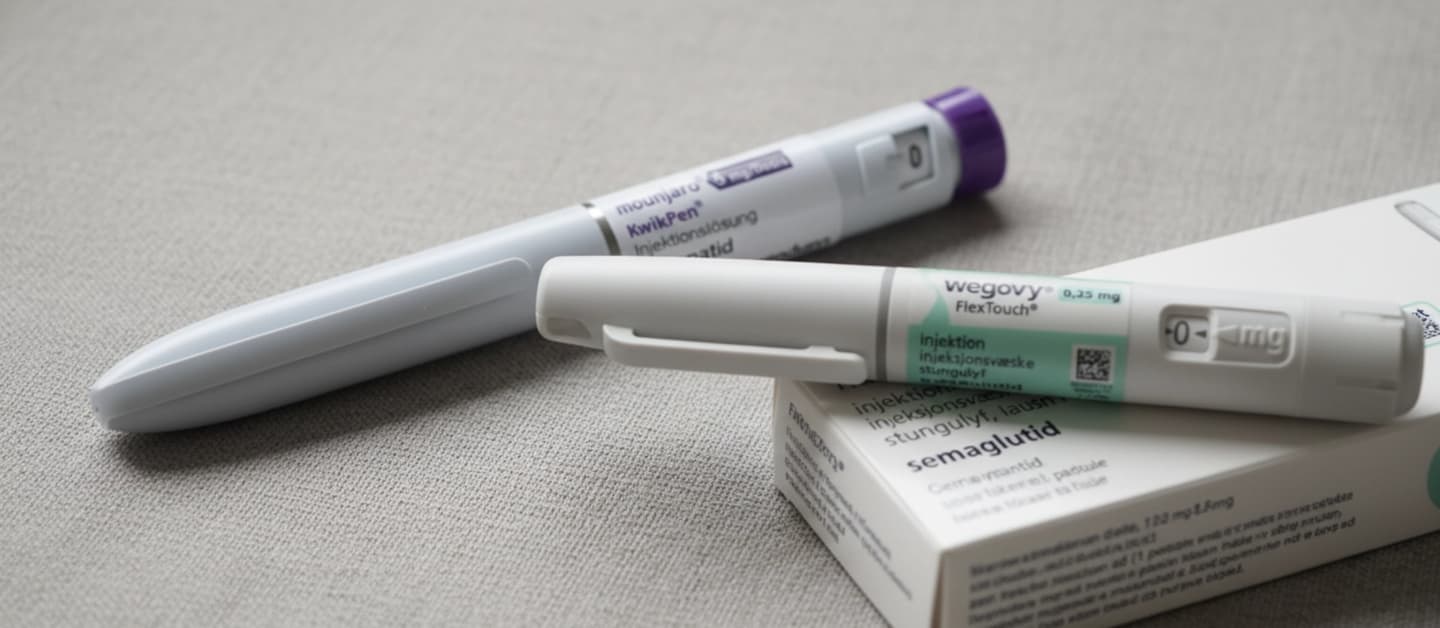
Important: Mounjaro and Wegovy are prescription-only medicines. The decision to prescribe is made by an independent UK-registered prescriber after a clinical assessment.
Mounjaro and Wegovy are both licensed prescription weight-loss injections used in the UK. Mounjaro contains tirzepatide, which acts on GIP and GLP-1 pathways. Wegovy contains semaglutide, which acts on the GLP-1 pathway. Both can support significant weight loss when prescribed safely alongside diet, activity and ongoing clinical review.
In the most useful head-to-head evidence available, tirzepatide produced greater average weight loss than semaglutide at 72 weeks. That does not mean Mounjaro is automatically right for everyone. Wegovy may be a better fit for some patients because of previous semaglutide tolerance, dose preference, availability, price, side-effect history or the newer 7.2mg maintenance option.
The right choice is not simply “which one loses more weight?” It is which medicine is safe, tolerable, affordable and realistic for you to continue.
Mounjaro is the brand name for tirzepatide, a once-weekly injection made by Eli Lilly. It works on two hormone pathways involved in appetite, fullness, stomach emptying and blood sugar regulation: GIP and GLP-1. This dual action is one reason tirzepatide has produced strong weight-loss results in trials.
Wegovy is the brand name for semaglutide, a once-weekly injection made by Novo Nordisk. It acts on the GLP-1 pathway. GLP-1 medicines help patients feel full sooner, reduce appetite and support lower calorie intake. Wegovy is a well-established weight-management medicine, and in 2026 the UK also gained a higher 7.2mg option for selected patients.
A simple way to explain the difference is this: Wegovy works through one main appetite pathway, while Mounjaro works through two. That can matter for weight-loss averages, but clinical choice still depends on the person, not only the mechanism.

Older comparisons often used separate trials: SURMOUNT-1 for tirzepatide and STEP 1 for semaglutide. Those were useful but imperfect because they were not direct head-to-head comparisons. The more important evidence is SURMOUNT-5, a head-to-head trial comparing tirzepatide with semaglutide in adults with obesity or overweight and at least one weight-related condition.
In SURMOUNT-5, tirzepatide produced greater mean percentage weight loss than semaglutide at 72 weeks. Reported figures from the complete results showed approximately 20.2% mean weight loss with tirzepatide compared with 13.7% with semaglutide. More people on tirzepatide also reached larger weight-loss thresholds such as 15%, 20% and 25%.
This is a strong efficacy signal, but it should not be turned into a promise. Averages are not guarantees. Some patients respond exceptionally well to semaglutide. Some patients tolerate tirzepatide poorly. Some patients lose less than expected on either medicine. The best clinical decision is based on response, side effects and long-term sustainability.
The comparison changed in 2026 because the UK approved a higher Wegovy dose. On 6 January 2026, the MHRA approved use of semaglutide up to 7.2mg weekly for adults with obesity. On 14 April 2026, a single-dose 7.2mg Wegovy pen was approved.
This matters because older Mounjaro vs Wegovy articles often compare Mounjaro against Wegovy 2.4mg only. Wegovy 2.4mg remains important, but the 7.2mg option gives selected patients another escalation route after 2.4mg. It is not a starter dose, and it is not right for everyone, but it makes the comparison more nuanced than it was a year ago.
Side Effects: Which Is Easier to Tolerate?
Both medicines commonly cause gut-related side effects, especially nausea, constipation, diarrhoea, indigestion and reduced appetite. These symptoms often appear after starting treatment or increasing dose, then improve as the body adapts.
The practical question is not only “which medicine has fewer side effects?” It is whether the side effects are manageable enough for the patient to continue. A medicine that produces more average weight loss but cannot be tolerated is not the better medicine for that individual.

Patients often compare Mounjaro and Wegovy by starter price. That is understandable, but it can be misleading. Both medicines use dose ladders, and the dose a patient starts on is not always the dose they stay on.
At LYV, prices should be published dose by dose, with no hidden consultation charge, no automatic subscription trap and payment captured only when medication is approved and dispatched.
For a fair comparison, patients should ask: what will this cost over 3, 6 and 12 months; what support is included; what happens if the prescriber declines; and whether the provider forces automatic monthly billing.

Yes, switching may be possible, but it should not be treated as a simple product swap. Switching can introduce new side effects, changes in appetite, different dose timing and a fresh adjustment period.
A pharmacist or prescriber may consider switching if response is poor after a fair trial, side effects are difficult, supply changes, cost changes, or the patient’s medical history points toward a better option. Switching without a clinical reason rarely solves the main problem and can make treatment feel more unstable.
NHS access to weight-management injections depends on NICE guidance, local pathways and eligibility criteria. Many patients currently access treatment privately because NHS routes can be limited, slower or restricted to specialist services.
Private prescribing should still be clinically serious. A regulated pharmacy should check BMI, medical history, contraindications, pregnancy status where relevant, diabetes medicines, pancreatitis or gallbladder history, and whether the patient understands side effects and ongoing support.
If the patient asks which medicine is stronger on average, the current head-to-head evidence favours tirzepatide. If the patient asks which medicine is right for them, the answer depends on safety, tolerability, response, price and whether they can stay with the treatment long enough for it to matter. The best medicine is the one that is clinically suitable and sustainable.