Registered Pharmacy100% OnlineNew here? Use code: WELCOME10 for 10% OFFFree Shipping Over £50Fully Inspected & Regulated ServicesApproved UK-licensed TreatmentsRegistered Pharmacy100% OnlineNew here? Use code: WELCOME10 for 10% OFFFree Shipping Over £50Fully Inspected & Regulated ServicesApproved UK-licensed Treatments
27 Jun 2026

7min read
Contents

If you've enquired about a weight-loss treatment, you may have been asked about blood tests - and wondered why. It's a fair question. The short answer is that a few simple checks help make sure any treatment is safe and suitable for you, and they give you a clear baseline to measure progress against. This article explains what's usually checked and what it tells you.
Blood tests are part of responsible care, not a hurdle. They help your prescriber tailor treatment to you as an individual rather than treating everyone the same.
Weight-loss medicines are powerful and effective, but like all medicines they're not right for everyone. A handful of routine tests helps your clinical team check that your liver, kidneys, thyroid and blood sugar are working as expected, rule out conditions that might need attention first, and pick up anything that could change which treatment is suitable. They also create a baseline - a snapshot of where you started - so that improvements can be tracked over time.
• Blood sugar (HbA1c and glucose)
HbA1c reflects your average blood sugar over the past two to three months. It helps identify whether you have prediabetes or type 2 diabetes, which can influence the choice of treatment and how closely you're monitored. Many people are surprised to find weight loss can meaningfully improve these numbers.
• Cholesterol and lipids
A lipid profile measures different types of cholesterol and triglycerides - fats in your blood linked to heart and circulatory health. Excess weight often raises these, and weight loss frequently improves them, so it's a satisfying marker to track.
• Liver function
Liver function tests check how well your liver is working. Carrying extra weight is associated with fatty changes in the liver, and these tests help spot that and monitor improvement as you lose weight.
• Kidney function
Kidney tests (such as eGFR and creatinine) confirm your kidneys are healthy enough for certain treatments and provide a baseline for ongoing safety.
• Thyroid function
An underactive thyroid can affect weight and energy. A thyroid test (TSH) helps make sure an undiagnosed thyroid problem isn't being mistaken for, or complicating, a weight issue.
• Full blood count
This common test looks at your red and white blood cells and can flag anaemia or signs of infection that are worth addressing.
• Vitamin levels
Vitamin D and B12 are sometimes checked, as deficiencies are common and can affect energy and wellbeing - particularly relevant if you're eating less during treatment.
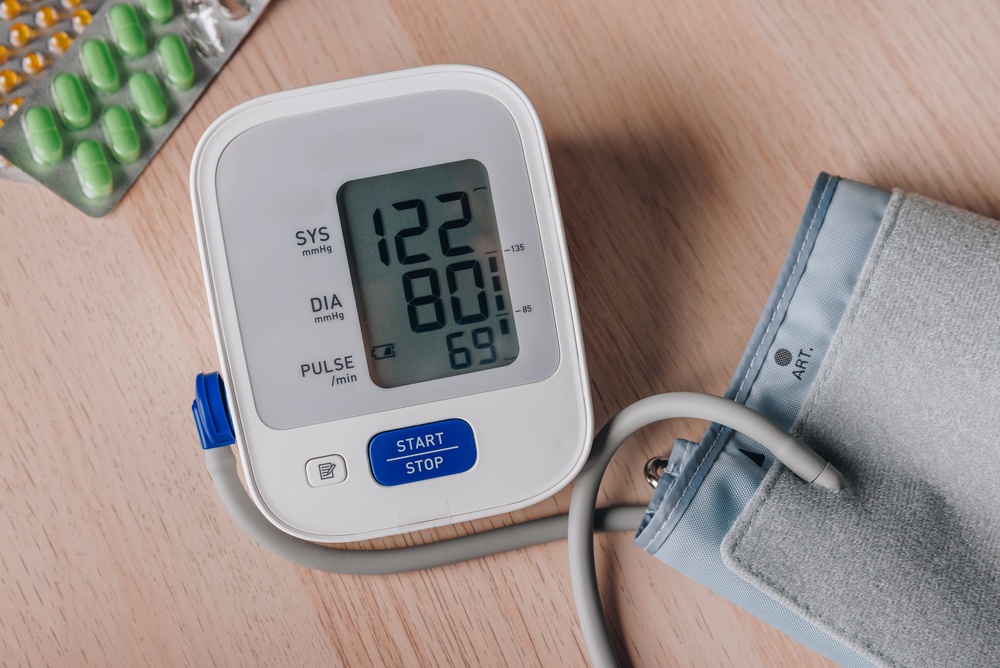
Blood pressure is quick, painless and genuinely important. It's a key safety check before several treatments and a major marker of heart health that often improves with weight loss. Expect it to be part of your assessment.
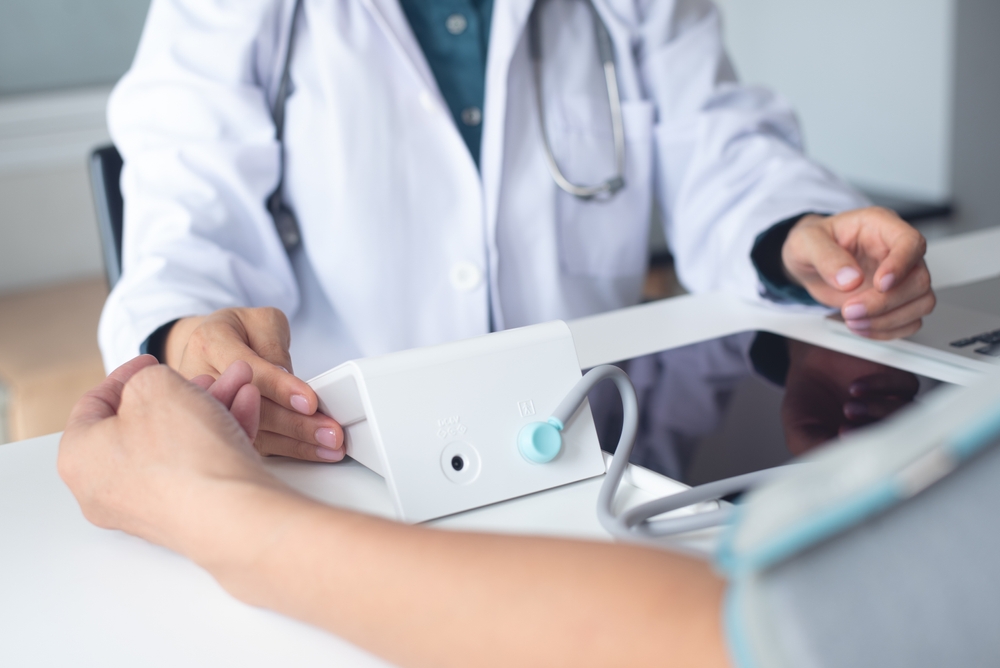
Alongside blood tests, a thorough weight-management assessment usually looks at the bigger picture. That can mean reviewing your medical history and any long-term conditions, going through the medicines and supplements you take (to check for interactions), asking about your weight history and previous attempts, and calculating your BMI and sometimes your waist measurement. None of this is about judgement - it's about building an accurate picture so any treatment is genuinely right for you.
Being open during this stage really pays off. Mentioning things like a family history of heart disease, previous blood clots, gallbladder problems, or a history of eating difficulties helps your team make the safest possible recommendation. The more complete the picture, the better the care.
Think of your first set of results as a starting line. As you progress, repeat checks show how your body is responding - ideally with blood sugar, cholesterol, liver markers and blood pressure all moving in the right direction. This turns weight loss from something you only see on the scale into something you can see in your health.
If a result is outside the normal range, it doesn't necessarily mean you can't be treated. Often it simply means your team will look into it, perhaps recommend a different approach, or suggest you see your GP first. The aim is always to keep you safe and to treat the whole picture, not just your weight.

Blood tests are not just a safety formality - they can be genuinely revealing. Many people go through life unaware that their blood sugar is creeping towards prediabetes, that their cholesterol is raised, or that their liver is showing early signs of strain. A weight-management assessment is sometimes the first time these things are picked up, which means it can be an opportunity to catch and address issues early, long before they cause symptoms. In that sense, the bloods you do for weight loss can end up benefiting your wider health too.
It also helps to remember that no single result is read in isolation. A clinician looks at the whole pattern - your blood sugar alongside your cholesterol, your blood pressure, your weight history and your family history - to build a rounded picture. One borderline number on its own rarely changes everything; it is the overall story that guides the safest plan for you.
The first set of bloods tells you where you are starting from, but the repeat checks are where the real motivation often lives. Seeing your HbA1c come down, your cholesterol improve or your liver markers settle is powerful proof that your effort is paying off in ways the mirror cannot show. For many people, these improving numbers become a more meaningful measure of success than the scale itself. Monitoring also keeps your treatment safe over time, allowing your team to adjust things if your body responds in an unexpected way.
If needles make you nervous, you are far from alone, and it is worth knowing that a routine blood test is usually quick and straightforward. Letting the person taking your blood know you feel anxious means they can take a little extra care, and simple steps - staying hydrated, looking away, breathing slowly, and having something to eat afterwards if you are allowed - can make the experience much easier. Any discomfort is brief, and the information it provides is genuinely valuable for your care.
Find out what your assessment involves.
Medical disclaimer: This article is for general information only and is not a substitute for advice from a doctor, pharmacist or other qualified healthcare professional. Prescription weight-loss treatments are only suitable for some people and are available after a clinical assessment. Always speak to your Lyv pharmacist or prescriber before starting, stopping or changing any medication.

Dr Kyrollos Hanna is a medical doctor and digital health advisor with experience in virtual care, clinical governance, women’s health, and obstetrics and gynaecology. He holds an MBBS from Deakin University and a Bachelor of Science from the University of Melbourne. Dr Hanna is registered with the UK General Medical Council under registration number 7999455 and is also registered with the Australian Health Practitioner Regulation Agency. His work focuses on supporting safe, patient-centred digital healthcare services and improving clinical processes and patient outcomes.